
 +86-(0)512-82283871

Content
- 1 Designed Around Everyday Independence
- 2 Compact Folding Construction for Convenient Transport
- 3 Stable Seating and User Confidence
- 4 Flexible Battery Choices
- 5 Efficient Urban Performance
- 6 Safety Equipment for Confident Operation
- 7 Affordability Without Unnecessary Complexity
- 8 Manufacturing Strength and Product Development
- 9 How the S2 Compares with Other Travel Scooters
- 10 Recommended Applications
- 11 Ownership, Maintenance, and Long-Term Value
- 12 Purchasing Considerations for Dealers and End Users
- 13 Frequently Asked Questions
- 13.1 What type of scooter is the S2?
- 13.2 Can the S2 fit in a car trunk?
- 13.3 What is the maximum speed?
- 13.4 How far can the S2 travel on one charge?
- 13.5 What battery does the scooter use?
- 13.6 How long does charging take?
- 13.7 What is the user weight capacity?
- 13.8 Does the scooter have suspension?
- 13.9 What type of brakes does the S2 use?
- 13.10 Is the seat adjustable?
- 13.11 Are the tires pneumatic or solid?
- 13.12 Who is the S2 best suited for?
- 13.13 Is the S2 suitable for steep hills or off-road use?
- 13.14 What should buyers confirm before ordering?
- 14 Conclusion
- 15 References
- 16 Product: S2 Small Size Small Compact Adjustable Folding Folding Moblity Scooter
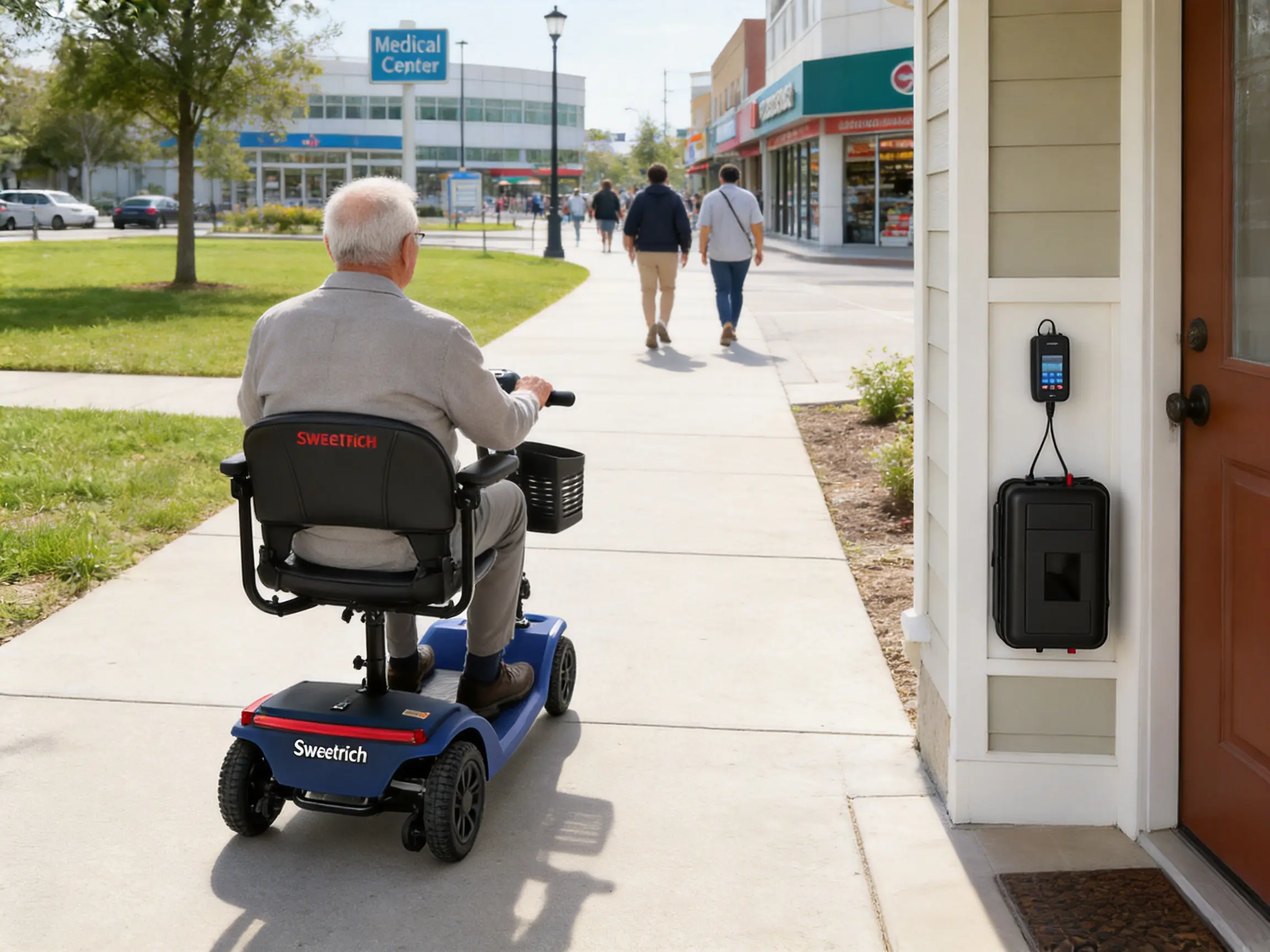
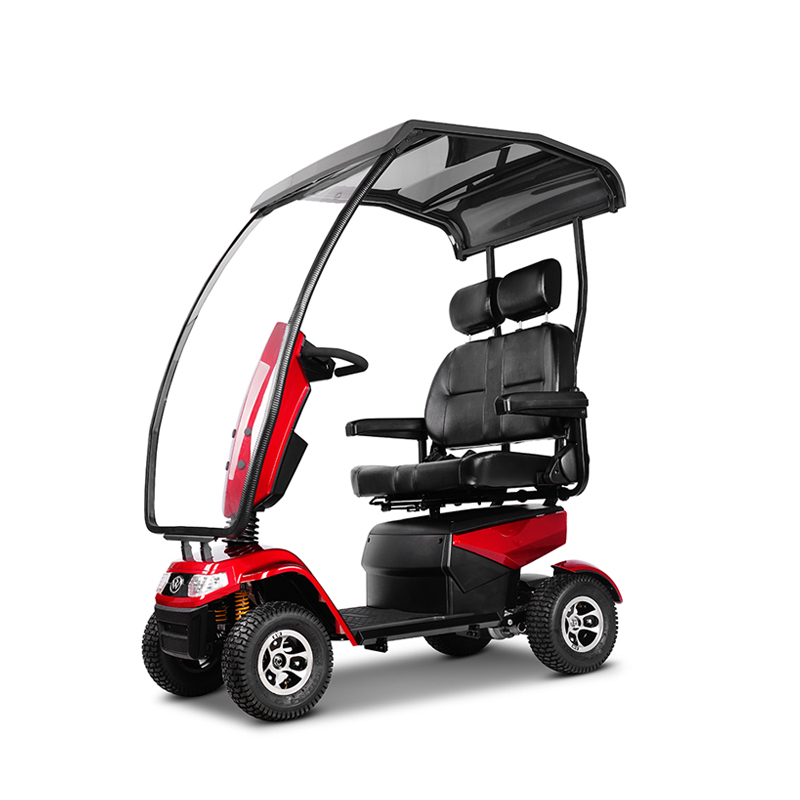
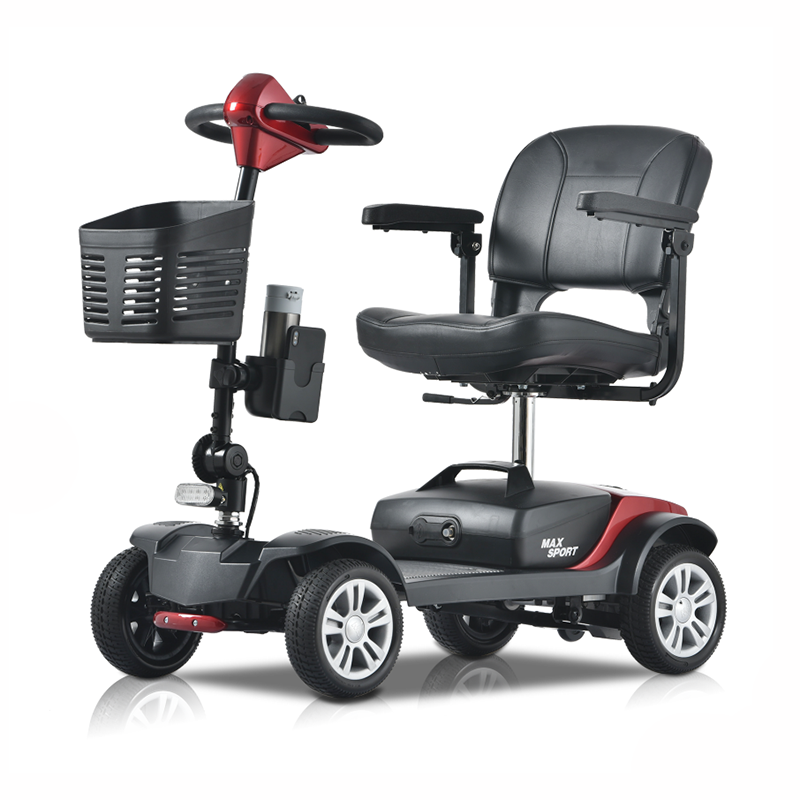
For people who want to remain independent while traveling around town, visiting family, shopping, or managing everyday errands, a mobility scooter can provide a valuable balance of freedom and support. The challenge is finding a model that is compact enough for transportation, stable enough for regular use, simple enough to operate, and affordable enough for a wide range of customers. The S2 Small Size Compact Adjustable Folding Mobility Scooter is designed to address these needs with a practical combination of portability, straightforward operation, safety equipment, and efficient performance.
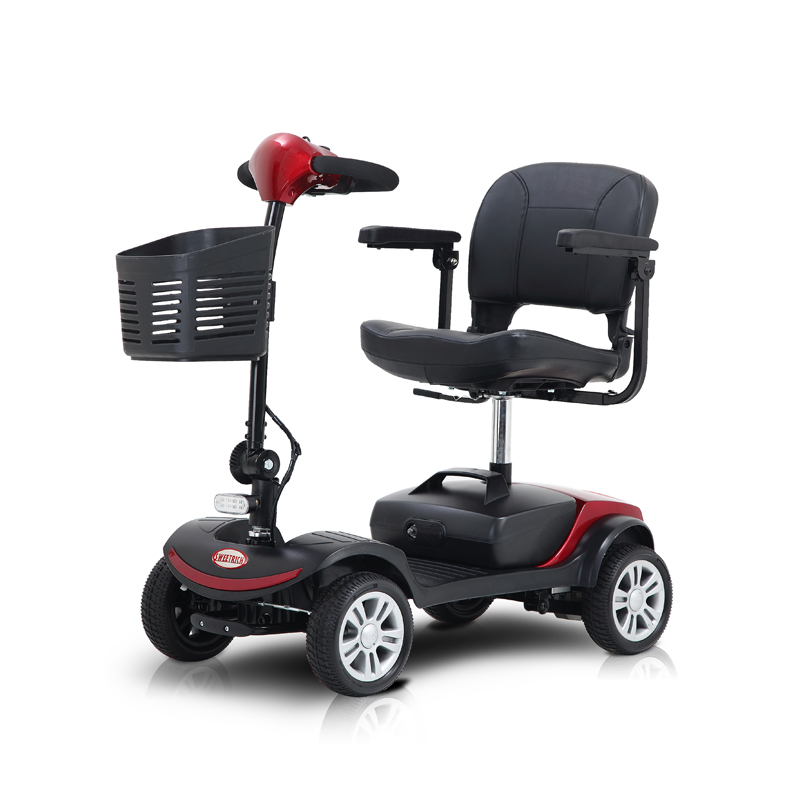
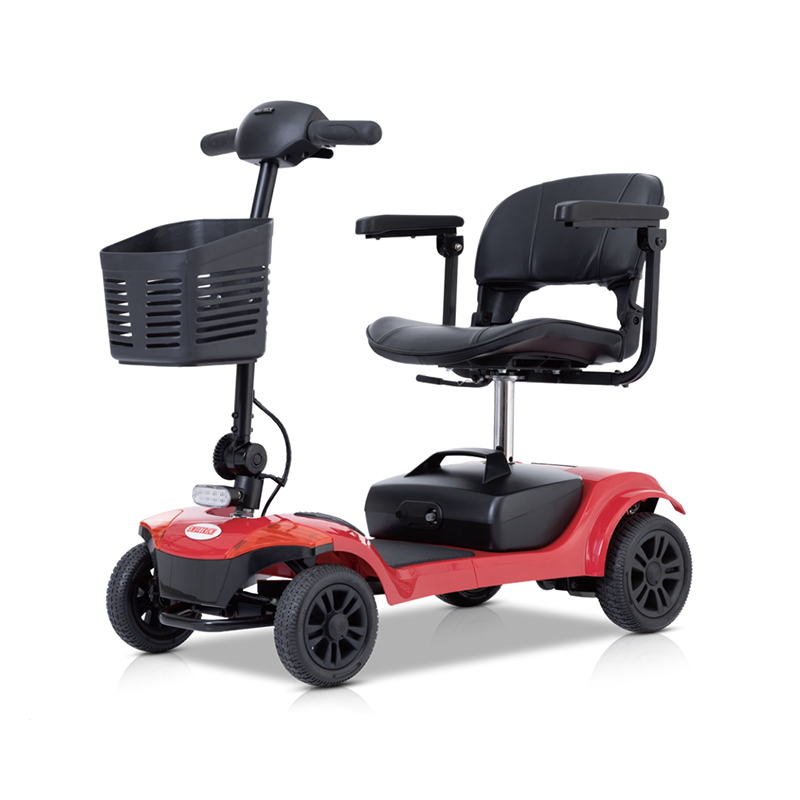
The S2 belongs to the travel scooter category and is intended for users who need a convenient personal mobility solution rather than a large, heavy-duty vehicle. Its folding structure helps make transport and storage easier, while its removable battery system provides flexibility for different user requirements. With a maximum forward speed of 6 kilometers per hour, a driving range of approximately 15 to 20 kilometers, and a maximum user weight of 136 kilograms, the scooter is suitable for many common urban and residential journeys.
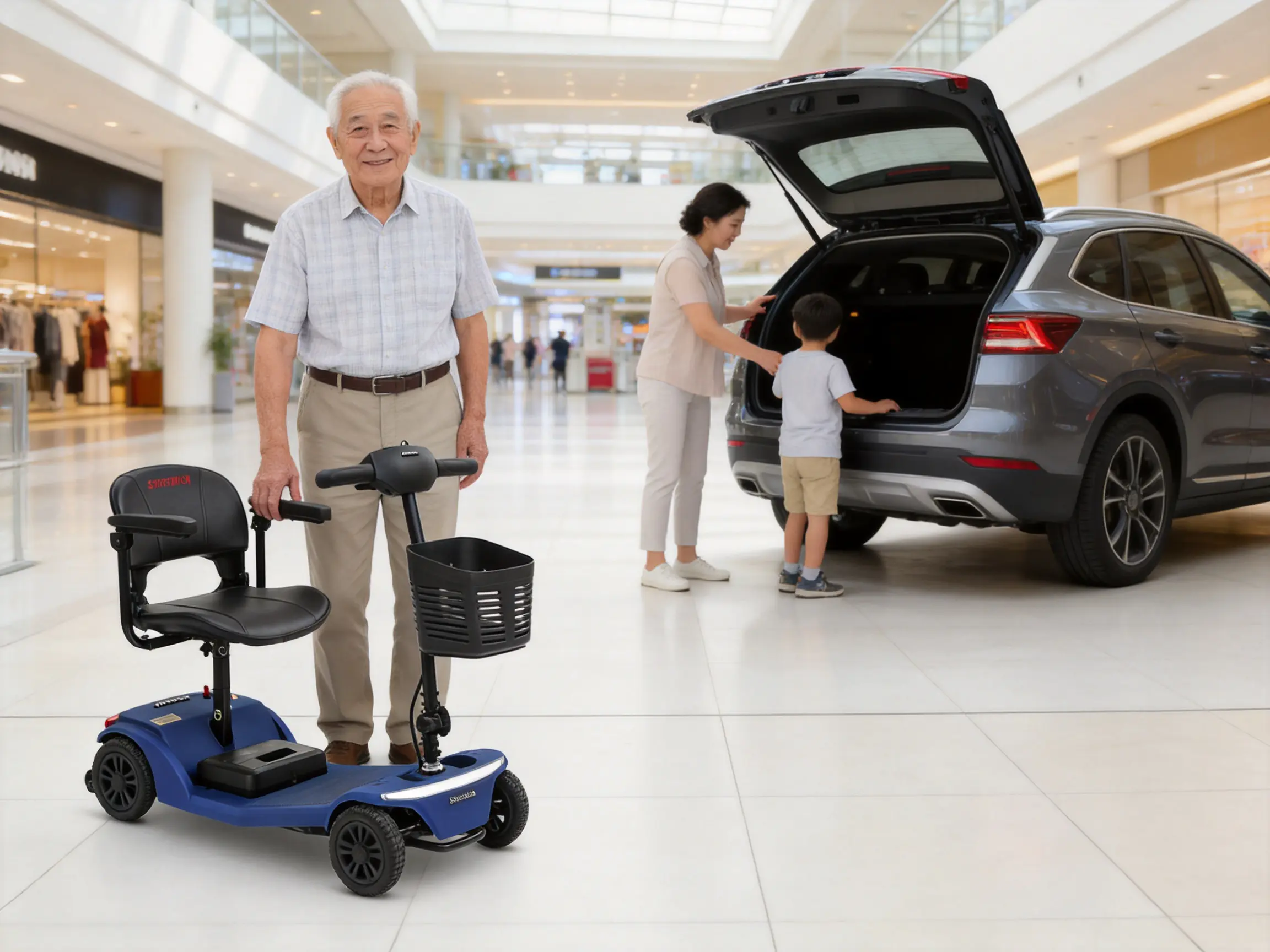
Unlike larger mobility scooters that may require a dedicated vehicle lift, extensive storage space, or a wide turning area, the S2 focuses on compact daily mobility. It is designed to fit into the trunk of a car after folding, making it especially suitable for users who want to combine driving with walking assistance. The scooter can be used for trips to shopping centers, medical appointments, parks, community facilities, and other locations where walking long distances may be difficult.
Designed Around Everyday Independence
Mobility products should do more than provide movement. They should help people maintain their routines, make personal choices, and participate in daily activities with greater confidence. The S2 is designed around this principle. Its compact profile supports users who may live in apartments, smaller homes, or properties with limited storage. Its folding design also reduces the physical and logistical burden associated with transporting a mobility vehicle.
The S2 is not intended to replace every type of mobility product. A large power wheelchair or full-size mobility scooter may be more appropriate for extended outdoor journeys, rugged terrain, or users who require specialized seating and controls. However, for travel-oriented use, the S2 provides a useful alternative. It gives customers a small and manageable vehicle for short- and medium-distance transportation while avoiding the size and cost associated with larger models.
Its maximum speed of 6 kilometers per hour, equivalent to approximately 3.8 miles per hour, is appropriate for controlled travel in pedestrian environments and private areas where local rules permit scooter operation. The speed is fast enough to support practical daily trips while remaining manageable for users who prefer a steady and predictable pace.
Another important benefit is the S2’s simple mechanical and electrical configuration. The rear-wheel drive system uses a gear box to deliver controlled movement, while the electromagnetic brake system is designed to help bring the scooter to a secure stop when the drive control is released. This straightforward design can make the vehicle easier to understand for first-time users and caregivers.
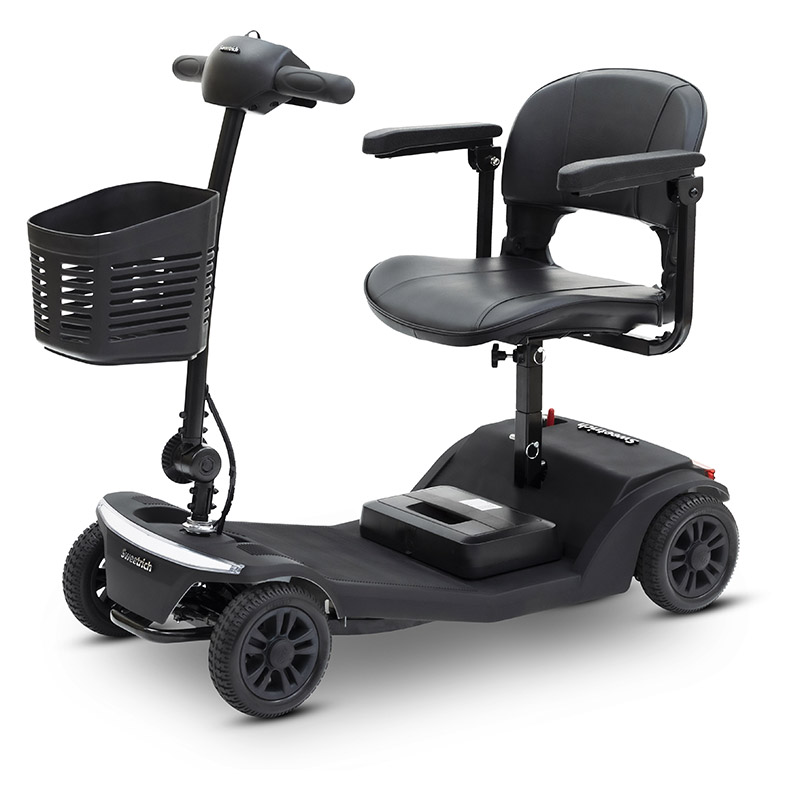
S2 Small Size Small Compact Adjustable Folding Folding Moblity Scooter
Compact Folding Construction for Convenient Transport
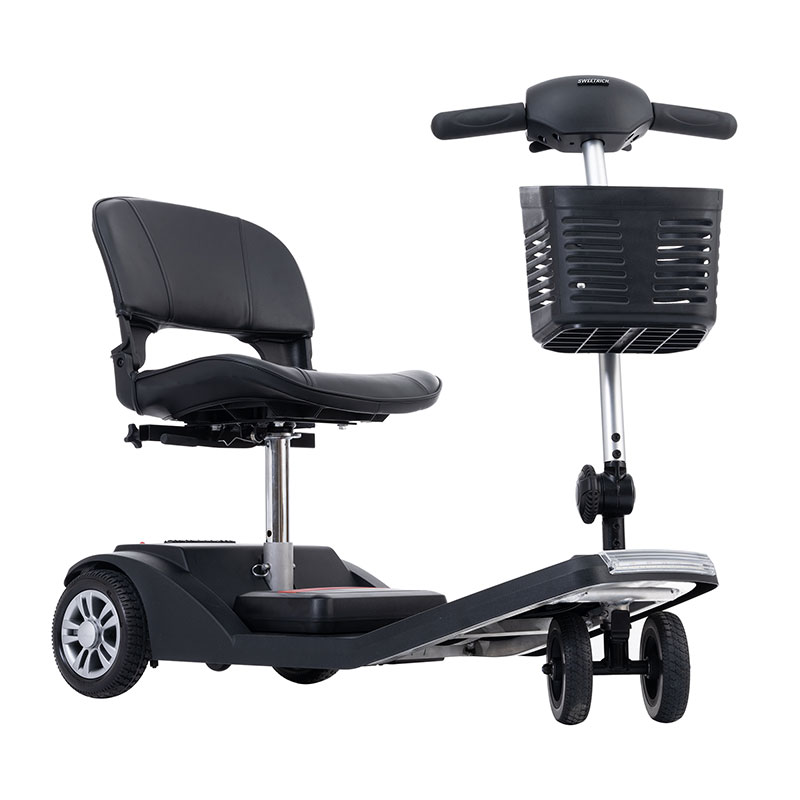
Portability is one of the most important factors in a travel scooter. A scooter may offer excellent performance, but if it is too large or difficult to load, users may leave it at home. The S2 addresses this concern through a folding structure that allows the entire vehicle to be folded for transportation and storage.
When folded, the scooter can be placed in the trunk of a suitable car, depending on the vehicle’s trunk dimensions and the user’s loading ability. This makes it possible to drive to a destination and then use the scooter after arrival. For example, a user could travel by car to a shopping center, park near the entrance, remove the scooter from the trunk, and complete the remainder of the journey without walking long distances.
The folding feature also helps with indoor storage. Instead of occupying a large area in a garage or hallway, the scooter can be stored in a more compact position when it is not in use. This may be particularly helpful for customers living in apartments, retirement communities, or homes with limited storage space.
Compact dimensions of approximately 1000 millimeters in length, 515 millimeters in width, and 860 millimeters in height provide a relatively narrow footprint for a mobility scooter. The 515-millimeter width can make it easier to move through suitable doorways and indoor areas, although users should always measure their specific entrances, elevators, ramps, and storage spaces before purchase.
The scooter’s heaviest part weighs approximately 27.8 kilograms, or 60 pounds. This is a meaningful specification for transportation planning. Although the scooter is designed to be portable, 27.8 kilograms can still be demanding for some individuals to lift safely. Users should consider whether they can load it independently or whether assistance, a loading aid, or a caregiver will be needed. The folding structure reduces the vehicle’s storage size, but safe handling remains important.
Compared with many full-size mobility scooters, the S2 offers a clear advantage in transport convenience. Larger scooters may require a vehicle ramp, rear carrier, or powered lift. By contrast, the S2 is focused on a trunk-compatible travel format. This can reduce the cost and complexity of ownership for customers who already have a suitable car.
Stable Seating and User Confidence
A stable seat is essential for comfort and confidence. If the seat moves excessively during acceleration, braking, or turning, users may feel insecure and may find the scooter uncomfortable to operate. The S2 is equipped with double seat pole locks to help keep the seat securely positioned during use.
The double-lock arrangement is designed to reduce unwanted movement between the seat and its support structure. By helping the seat remain solidly in place, the system contributes to a smoother and more controlled riding experience. It also supports the practical needs of users who may be sensitive to vibration or who require a stable seating position to operate the tiller comfortably.
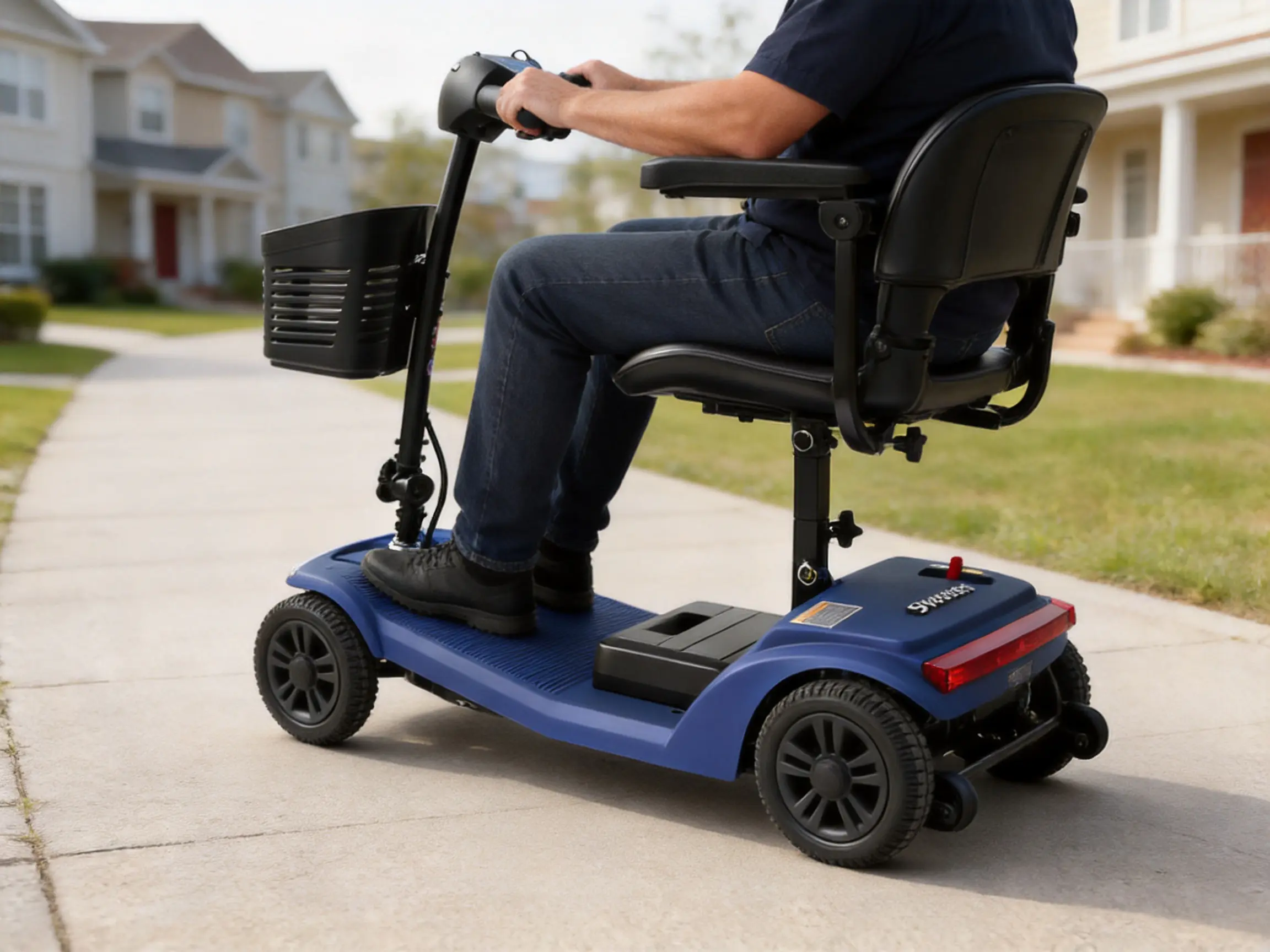
Seat stability is especially important for a compact scooter because smaller vehicles may be used in a variety of environments, including indoor floors, sidewalks, shopping areas, and moderately uneven outdoor surfaces. While the S2 is not equipped with a suspension system, its stable seating arrangement and solid tires help provide a predictable connection between the rider and the vehicle.
The seating system should be used together with proper posture and safe operating practices. Users should sit centrally, keep both feet positioned appropriately, avoid sudden movements, and make sure the seat is correctly locked before driving. Caregivers and dealers can help new users practice mounting, dismounting, turning, and braking before the scooter is used in public areas.
Flexible Battery Choices
The S2 uses a removable battery system, providing flexibility in selection, maintenance, and transport. The standard specification identifies a 24-volt, 12-ampere-hour lead-acid battery, while the product design also supports the option of a lithium battery according to configuration and market requirements.
Lead-acid batteries are widely used in mobility equipment because they are familiar, practical, and generally cost-effective. They can be a suitable choice for customers who prioritize a lower initial purchase cost and who typically use the scooter for routine short-distance journeys. The stated charging time for the standard system is approximately 6 to 8 hours, making overnight charging a practical option for many users.
Lithium batteries may offer a different set of advantages, including lower weight, convenient handling, and potentially improved energy density. The most appropriate battery depends on the user’s intended travel distance, transportation habits, local service availability, budget, and battery regulations. Customers should confirm the exact battery configuration, charging instructions, certification requirements, and shipping conditions with the supplier before ordering.
The removable battery design can also make charging more convenient. In situations where it is not practical to move the complete scooter close to a power outlet, a removable battery may be taken to an appropriate charging area. This can benefit users who store the scooter in a vehicle, building entrance, or location without convenient access to electricity.
Battery care is important for achieving reliable performance. Users should charge the battery with the correct charger, avoid exposing it to extreme temperatures or moisture, and follow the manufacturer’s instructions regarding storage and charging intervals. The supplied charger is rated at DC 24 volts and 2 amperes, with an AC input range of 100 to 240 volts, subject to the final market configuration.
The battery system is one area where the S2 can offer greater flexibility than fixed-battery travel products. A removable design may simplify replacement, maintenance, and transportation. It also allows distributors to provide different battery options for different markets and customer groups.
Efficient Urban Performance
The S2 is powered by a 24-volt, 250-watt motor. This power level is intended for compact mobility applications and ordinary urban travel rather than high-speed or off-road use. The rear-wheel drive layout, combined with a gear box, supports controlled movement and traction for the scooter’s intended operating environment.
With a maximum driving range of approximately 15 to 20 kilometers, or about 9.5 to 12.4 miles, the S2 can support many everyday journeys between charging sessions. Actual range will vary according to the user’s weight, terrain, gradient, temperature, battery condition, tire pressure where applicable, driving style, and frequency of stopping and starting.
For practical planning, users should not assume that the maximum advertised range will always be available in every condition. A route with hills, frequent acceleration, rough pavement, or repeated stops may consume more energy than a flat and steady route. Planning a reasonable reserve is recommended, particularly when traveling away from home or in areas where charging is not readily available.
The maximum driving gradient is listed as 8 degrees. This specification indicates the scooter’s capability under defined test conditions, but it should not be interpreted as a recommendation to approach every slope at maximum inclination. Surface quality, wet conditions, loose gravel, load distribution, and turning direction can all influence stability. Users should approach slopes slowly, travel straight where possible, and avoid sudden braking or turning on inclines.
The 6-kilometer-per-hour maximum speed is appropriate for a travel scooter that prioritizes control and accessibility over high performance. A moderate speed can make it easier for users to navigate crowded areas, indoor locations, pathways, and shared spaces. It also supports the scooter’s role as a practical vehicle for errands and local transportation.
The S2 has a stated weight capacity of 136 kilograms, or 300 pounds. This capacity includes the user and any carried items. Customers should remain within the specified limit to support safe operation, braking performance, motor efficiency, and structural durability. Heavy shopping bags should be distributed carefully and should never interfere with steering, visibility, or access to the controls.
Safety Equipment for Confident Operation
Safety is a central part of the S2 design. The scooter includes anti-tilt wheels to help reduce the risk of rearward tipping in situations where the vehicle encounters a change in surface or slope. Anti-tilt wheels do not eliminate all risks, and users should still avoid steep side slopes, abrupt maneuvers, curbs, and obstacles that exceed the scooter’s design capability.
The electromagnetic brake system is another important safety feature. When the drive control is released, the braking system is designed to help slow and stop the scooter. Electromagnetic brakes are commonly used in mobility vehicles because they can provide automatic braking behavior when the user is no longer commanding forward or reverse movement.
Safe use begins before the scooter moves. The user should inspect the tires, confirm that the battery is adequately charged, make sure the seat is locked, check that the tiller and controls are in the correct position, and confirm that no loose objects can interfere with the wheels or steering. A brief inspection can help identify problems before they affect a journey.
The S2 uses solid tires with plastic wheel hubs. Solid tires do not require inflation and are less vulnerable to punctures than pneumatic tires. This can reduce routine maintenance and provide convenience for users who do not want to monitor air pressure. However, solid tires may transmit more road vibration than air-filled tires, particularly on rough surfaces. The scooter is therefore best used on suitable paved paths, sidewalks, indoor floors, and other surfaces appropriate for a compact travel model.
Users should also follow local regulations concerning mobility scooters. Requirements may differ by country, region, building, road, and pathway. Visibility equipment, lighting, pedestrian priority, speed restrictions, and crossing practices should be understood before using the scooter in public areas.
Affordability Without Unnecessary Complexity
One of the S2’s strongest competitive advantages is its focus on essential functions. The scooter provides folding portability, removable battery capability, stable seat locking, anti-tilt wheels, electromagnetic braking, and a practical travel range without adding unnecessary complexity or the cost of features that every user may not need.
For budget-conscious customers, this approach can make personal mobility more accessible. A large premium scooter may include extended suspension, oversized seating, advanced lighting, increased ground clearance, and high-capacity batteries. Those features can be valuable in the right application, but they can also increase price, weight, and storage requirements. The S2 is designed for customers who prioritize transport convenience and everyday practicality.
Its cost-effective positioning can benefit individual users, caregivers, rental providers, senior living communities, retailers, and mobility dealers. A compact vehicle that is easier to store and transport may also reduce the need for specialized delivery equipment or additional accessories.
Affordability does not mean that customers should compromise on responsible purchasing. Buyers should confirm the final specification, battery type, warranty conditions, spare-parts availability, user manual, service support, and regulatory requirements before ordering. The most economical product is one that remains dependable, repairable, and suitable for the user’s actual needs over time.
Manufacturing Strength and Product Development
The S2 is produced by Suzhou Sweetrich Vehicle Industry Technology Co., Ltd., a manufacturer specializing in mobility scooters and power wheelchairs. Established in 2011, the company has accumulated more than ten years of experience in research, development, and production. Its location in Suzhou Industrial Zone, Jiangsu, China, places the business within an established manufacturing region with access to engineering, production, logistics, and supply-chain resources.
The company operates a facility covering approximately 60 acres, including a factory area of about 30,000 square meters. This scale provides space for product development, component management, assembly, quality control, warehousing, and export preparation. A dedicated manufacturing environment can help a mobility-product supplier maintain consistency across batches and coordinate the different stages involved in vehicle production.
Mobility scooters require more than simple mechanical assembly. The finished product combines a frame, seat structure, steering components, wheels, brakes, motor, controller, battery, charger, wiring, and safety-related parts. Each component must work with the others to create reliable movement and predictable control. Manufacturing expertise is therefore important not only for production efficiency but also for product integration.
The company states that it owns intellectual property rights related to electric scooters and power wheelchairs. Intellectual property development can support independent product design and enable manufacturers to improve solutions for specific user needs. In the case of the S2, the emphasis on folding construction, removable battery access, compact dimensions, and stable seat locking reflects an approach centered on practical mobility challenges.
Product design for older adults and people with disabilities requires careful attention to usability. Controls should be understandable, seating should be stable, and the vehicle should respond predictably. A manufacturer with experience in this field can use feedback from distributors, caregivers, and users to refine ergonomics, operating systems, frame structure, and maintenance procedures.
Production Management and Quality Focus
Sweetrich describes its manufacturing approach as based on strict production management and scientific product design. In practical terms, effective production management may include controlled component sourcing, assembly procedures, inspection checkpoints, electrical testing, functional testing, battery verification, packaging checks, and documentation control. These processes are essential for products that are used to support personal mobility.
Quality control should cover the complete product rather than focusing on a single component. A motor may function correctly, but the scooter must also provide reliable braking, secure seat attachment, properly routed wiring, stable steering, and accurate controller response. Attention to the relationship between parts is a key element of a dependable mobility vehicle.
Before shipment, a travel scooter should be checked for assembly accuracy, folding operation, battery connection, charger compatibility, wheel alignment, braking behavior, control response, and overall appearance. Packaging is also important because the product may pass through several stages of handling during export and delivery. A secure package can help protect the scooter from impact, movement, moisture, and abrasion.
The manufacturer’s export experience is another operational strength. Sweetrich reports that its products are supplied to America, Europe, Japan, Australia, the Middle East, Russia, and other markets. Serving international customers requires familiarity with different market expectations, shipping arrangements, product documentation, distributor relationships, and after-sales communication.
For importers and distributors, supplier capability is often as important as the individual product. Consistent production, communication, customization support, spare-parts coordination, and reliable order handling can influence the long-term success of a mobility product in a local market. A manufacturer with an established export background may be better positioned to support these requirements than a supplier with limited international experience.
How the S2 Compares with Other Travel Scooters
Travel scooters vary considerably in their design priorities. Some are ultralight but have a lower weight capacity. Some provide a higher range but are too heavy for easy trunk storage. Others offer advanced suspension and larger batteries but function more like full-size scooters. The S2 occupies a practical middle position by combining a compact structure with a 136-kilogram weight capacity and a useful daily range.
Compared with an ultra-light scooter, the S2 may not be the easiest model for every person to lift, since its heaviest part is approximately 27.8 kilograms. However, it offers a stronger carrying capacity than many very light travel products. This makes it potentially more suitable for users who need additional structural support while still requiring a folding format.
Compared with a full-size scooter, the S2 is easier to store and transport. It has a smaller footprint, a moderate speed, and a folding design intended for car travel. The trade-off is that it does not include suspension, has solid tires, and is not intended for rugged terrain or long-distance touring. This distinction helps buyers choose according to actual use rather than assuming that one scooter can serve every purpose.
Compared with fixed-battery models, the S2’s removable battery offers additional flexibility. Users may select a battery type according to their needs and may be able to charge the battery separately from the scooter. This can be valuable in homes where the complete vehicle cannot be positioned near a wall outlet.
Compared with premium high-feature models, the S2 emphasizes value. Its equipment package concentrates on practical functions: folding, removable power, stable seating, anti-tilt protection, electromagnetic braking, and efficient urban travel. This can make it an attractive option for customers who prefer a straightforward scooter with a lower purchase price and fewer unnecessary features.
Recommended Applications
The S2 is particularly well suited to local travel. Users may operate it for shopping trips, visits to community centers, appointments, indoor venues, residential pathways, hotel environments, and short recreational outings. Its compact design can help users navigate places where larger scooters would be inconvenient, subject to the access rules and physical dimensions of each location.
It can also support travel routines that combine different forms of transportation. A customer may use a private car for the longer part of a journey and then use the S2 at the destination. The folding function makes this arrangement more practical than transporting a full-size scooter.
Family members and caregivers may appreciate the scooter’s manageable format. A vehicle that can be folded and stored in a trunk may reduce the need to leave the user behind when planning shopping, leisure, or family activities. The removable battery can also make charging more flexible for households with limited storage arrangements.
Retailers and distributors may find the S2 suitable for customers seeking their first mobility scooter. Its operating concept is relatively direct, and its specifications are easy to explain. The product can be positioned as a travel-oriented solution for people who need assistance with distance but do not require a large, highly specialized vehicle.
It may also be considered by senior communities, hotels, transportation services, and rental operators. In these applications, the compact dimensions and folding construction can help with storage and fleet management. Organizations should evaluate local regulations, cleaning procedures, battery handling, user training, and maintenance support before placing the product into service.
Ownership, Maintenance, and Long-Term Value
Routine maintenance helps preserve the performance and safety of any mobility scooter. Users should keep the scooter clean and dry, inspect the wheels and tires, check for loose fasteners, examine the seat locking system, and monitor the condition of the battery and charger. Any unusual noise, braking behavior, steering problem, or loss of power should be investigated before continued use.
Solid tires reduce the need for inflation checks and help minimize puncture-related interruptions. Even so, the tires should be inspected for excessive wear, cuts, deformation, or embedded objects. The plastic wheel hubs should also be checked for damage after contact with curbs or obstacles.
The electromagnetic brake should function smoothly and consistently. Users should never continue operating the scooter if the vehicle rolls unexpectedly when the control is released or if stopping performance changes noticeably. Brake inspections and repairs should be completed by qualified personnel or according to authorized service instructions.
Battery life depends on charging habits, storage conditions, usage frequency, temperature, and the selected battery technology. Users should avoid storing the battery in unsuitable conditions and should use only the recommended charger. When the scooter will not be used for an extended period, the battery should be maintained according to the applicable instructions for its chemistry.
Folding components should be operated without excessive force. The user should confirm that the scooter is fully unfolded and securely locked before sitting down. Moving parts should be kept free of obstructions, and fingers should be kept away from pinch points during folding and unfolding.
These basic practices can extend the useful life of the scooter and help protect the value of the investment. A product’s long-term cost is influenced not only by the purchase price but also by battery replacement, service access, transport requirements, and the availability of parts. The S2’s simple and practical design can support manageable ownership when it is used within its intended conditions.
Purchasing Considerations for Dealers and End Users
Before purchasing the S2, customers should identify the main travel environment. Important questions include whether the scooter will be used mostly indoors or outdoors, whether the route includes slopes, how often it must be transported by car, and whether the user can safely manage a 27.8-kilogram heaviest component.
Customers should measure the vehicle storage area, car trunk, home entrances, elevator, and any narrow passageways. The listed dimensions provide a useful reference, but real-world clearance should include space for steering, loading, folding, and safe movement around the scooter.
Battery selection should be discussed before purchase. The standard specification lists a lead-acid battery rated at 24 volts and 12 ampere-hours, while lithium configuration may be available depending on the order and market. The selected battery can affect weight, transportation, charging, range, price, and regulatory requirements.
Dealers should also confirm the final packaging configuration and shipping quantity for commercial orders. The listed packing quantities are 120 units per 20-foot general-purpose container and 288 units per 40-foot high-cube container. Actual loading figures can vary according to packaging design, accessories, battery configuration, and shipping requirements.
After-sales support is another important consideration. Buyers should ask about warranty coverage, technical documentation, replacement controllers, chargers, batteries, motors, wheels, brakes, seat parts, and folding hardware. A strong supplier relationship can help dealers respond quickly when customers need maintenance or replacement components.
Frequently Asked Questions
What type of scooter is the S2?
The S2 is a compact folding travel mobility scooter designed for short- and medium-distance urban, residential, and recreational use. It is intended for users who value portability, simple operation, and convenient storage.
Can the S2 fit in a car trunk?
The scooter is designed to fold for placement in the trunk of a suitable car. Trunk dimensions vary, so users should compare the folded scooter with their vehicle and consider the weight of the heaviest part before purchasing.
What is the maximum speed?
The maximum forward speed is 6 kilometers per hour, or approximately 3.8 miles per hour. Actual operating speed may be affected by the user, terrain, battery condition, and local operating requirements.
How far can the S2 travel on one charge?
The stated maximum driving range is approximately 15 to 20 kilometers, or 9.5 to 12.4 miles. Actual range depends on user weight, terrain, temperature, battery condition, driving style, and the frequency of stopping and starting.
What battery does the scooter use?
The listed standard battery is a 24-volt, 12-ampere-hour lead-acid battery. The removable battery system may also support lithium battery configurations. Customers should confirm the exact battery type and specifications with the supplier before ordering.
How long does charging take?
The listed charging time is approximately 6 to 8 hours. Charging time can vary according to battery condition, charger output, temperature, and battery type.
What is the user weight capacity?
The maximum stated weight capacity is 136 kilograms, or 300 pounds. This figure includes the user and any carried belongings. Staying within the limit is important for safe operation and reliable performance.
Does the scooter have suspension?
The specification lists no suspension system. The S2 uses solid tires and is best suited to smooth, suitable paved surfaces, indoor floors, and ordinary sidewalks rather than rough or rugged terrain.
What type of brakes does the S2 use?
The scooter uses an electromagnetic brake system. Users should still operate carefully, avoid steep or unsafe surfaces, and have the braking system inspected if its behavior changes.
Is the seat adjustable?
The product is described as having an adjustable folding design and includes double seat pole locks to help secure the seat. Users should confirm the available seat adjustment range and operating instructions with the dealer or supplier.
Are the tires pneumatic or solid?
The S2 uses solid tires with plastic wheel hubs. Solid tires reduce the risk of punctures and do not require inflation, although they may transmit more vibration on rough surfaces than pneumatic tires.
Who is the S2 best suited for?
The S2 is suitable for users who need a compact scooter for daily errands, local travel, indoor or paved outdoor environments, and car-based transportation. It may be especially useful for people who prioritize folding portability and affordability.
Is the S2 suitable for steep hills or off-road use?
The listed maximum gradient is 8 degrees, but users should not treat this as a recommendation for every slope. The scooter is not designed as a rugged off-road vehicle. Terrain, surface conditions, load, and local safety rules should always be considered.
What should buyers confirm before ordering?
Buyers should confirm the final battery configuration, folded dimensions, shipping package, warranty terms, local compliance requirements, spare-parts support, charger specification, and after-sales service arrangements.
Conclusion
The S2 Small Size Compact Adjustable Folding Mobility Scooter is designed to provide a practical answer to a common mobility challenge: how to travel independently without managing a large or expensive vehicle. Its folding structure supports trunk transportation and compact storage, while its removable battery system provides flexibility for different users and markets.
Its 6-kilometer-per-hour maximum speed, 15-to-20-kilometer stated range, 136-kilogram weight capacity, anti-tilt wheels, electromagnetic brake, solid tires, and stable double-lock seat system create a balanced specification for everyday travel. The scooter does not attempt to be a rugged off-road machine or a high-end full-size touring vehicle. Instead, it focuses on practical urban mobility, manageable ownership, and cost-conscious design.
The manufacturer’s experience in mobility scooters and power wheelchairs, dedicated production facilities, international export background, product-development capability, and focus on quality management provide important support behind the product. For distributors and users seeking a portable, straightforward, and affordable travel scooter, the S2 offers a compelling combination of convenience, safety-oriented features, and efficient performance.
As with any mobility product, the best results come from matching the scooter to the user’s body size, travel environment, storage arrangements, battery needs, and ability to handle the vehicle safely. When used within its intended conditions and maintained correctly, the S2 can help users travel more confidently while preserving the independence and convenience that modern personal mobility should provide.
References
1. Product specification sheet for the S2 Compact Folding Mobility Scooter, including dimensions, motor, battery, range, braking system, tires, charger, and weight capacity.
2. Manufacturer-provided product description for the S2 travel mobility scooter, including seat locking, removable battery, folding transport design, anti-tilt wheels, and affordability features.
3. Manufacturer company information for Suzhou Sweetrich Vehicle Industry Technology Co., Ltd., including company history, production facilities, product-development focus, and international market experience.
4. General mobility scooter safety principles concerning battery charging, slope operation, braking, loading, storage, and routine inspection.
5. General guidance for selecting travel mobility equipment according to user capacity, transportation requirements, operating environment, storage conditions, and after-sales service needs.