
 +86-(0)512-82283871
Content
- 1 Product Overview: A Travel-Focused Folding Electric Wheelchair
- 2 Key Specifications
- 3 Designed for Quick Folding and Practical Transport
- 4 Lightweight Construction Without Sacrificing Everyday Utility
- 5 Performance for Daily Mobility
- 6 Battery Options and Range Flexibility
- 7 Comfort, Convenience, and User Independence
- 8 Advantages Over Common Competing Products
- 9 Manufacturing Strength Behind the Product
- 10 Advanced Production Considerations for Folding Electric Wheelchairs
- 11 Safety-Oriented Design Features
- 12 Travel Smart Benefits for Families and Caregivers
- 13 Ideal Use Scenarios
- 14 Why the Product Represents Strong Value
- 15 Maintenance and Use Recommendations
- 16 Frequently Asked Questions
- 16.1 What type of user is this folding electric wheelchair designed for?
- 16.2 How heavy is the wheelchair?
- 16.3 How quickly can it fold?
- 16.4 What is the maximum driving range?
- 16.5 What battery does it use?
- 16.6 How long does charging take?
- 16.7 What is the maximum speed?
- 16.8 What is the weight capacity?
- 16.9 Does it have a braking system?
- 16.10 Are the tires pneumatic or solid?
- 16.11 Is it suitable for slopes?
- 16.12 Can it be used for air travel?
- 16.13 Is it a medical device?
- 16.14 What makes it different from many competing electric wheelchairs?
- 17 Conclusion
- 18 References
- 19 Product: iFold Light 2021 New Lightweight Portable Folding Electroplating Electric Bariatric Wheelchair Attachment
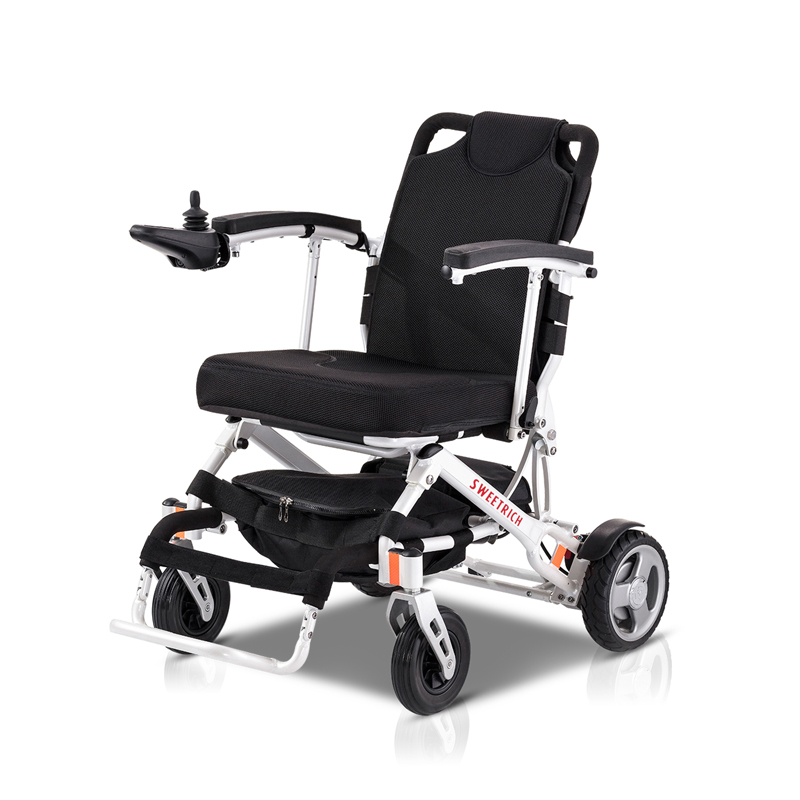
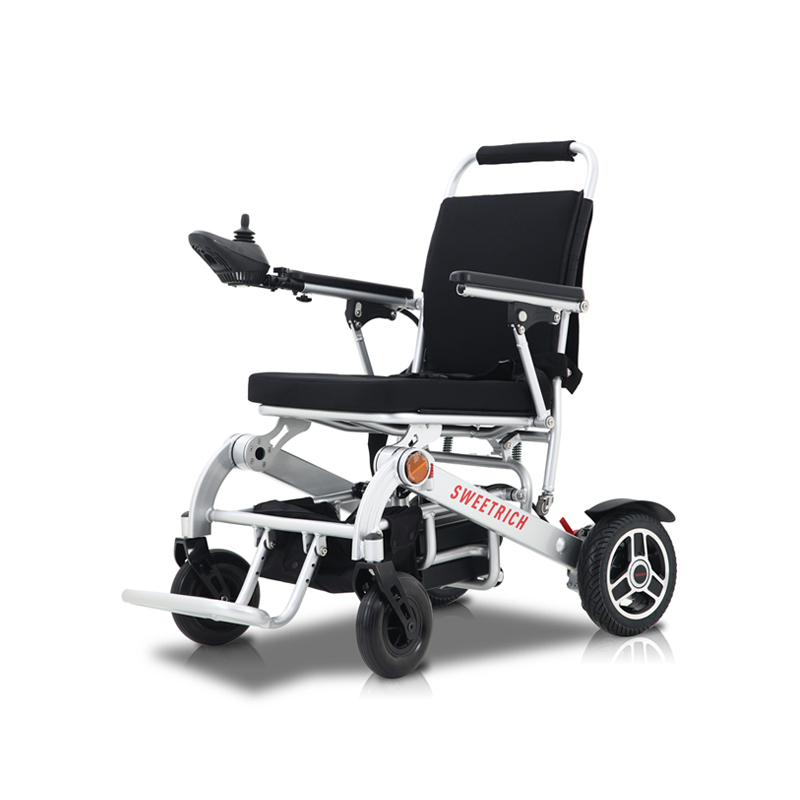
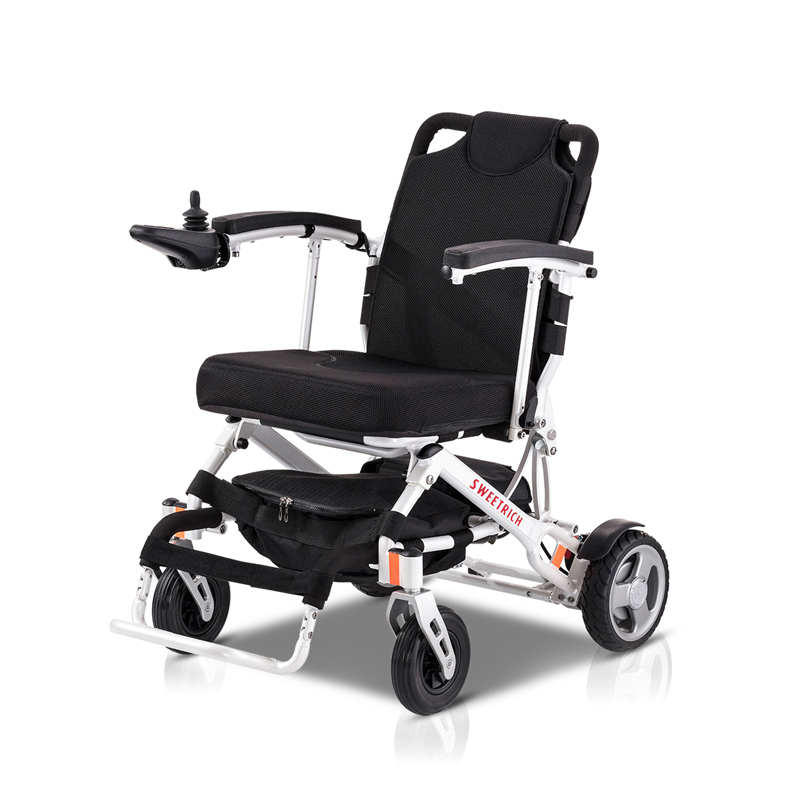
Modern personal mobility is no longer defined only by basic movement from one place to another. For many users, the ideal electric wheelchair must support independence, fit into family life, travel easily, and deliver dependable performance in streets, homes, shops, parks, airports, and other daily environments. The iFold Light folding electric wheelchair is designed around this practical vision. It is a compact, lightweight, portable power wheelchair built for people who want convenient transport, simple storage, and reassuring control without the burden of a large, heavy mobility device.
This article introduces the product in detail, explains its key advantages, compares its design direction with common alternatives, and highlights the manufacturing strength behind it. The wheelchair belongs to the travel smart wheelchair category, which means its value is not measured only by motor power or battery size. Its value is found in the balance between foldability, manageable weight, dependable braking, useful driving range, and user-friendly daily operation. With a frame weight of approximately 19 kg without the battery, a compact folding structure, lithium battery options, solid tires, electromagnetic braking, and dual-motor drive, it is built to help users enjoy mobility with less effort and more confidence.
The product is described as a non-medical device for the U.S. market, and it is best understood as a personal mobility aid intended to improve convenience, freedom, and participation in daily life. It is especially suitable for users and families seeking a travel-friendly power wheelchair that can be folded quickly, stored compactly, and transported more easily than many conventional electric wheelchairs.
Product Overview: A Travel-Focused Folding Electric Wheelchair
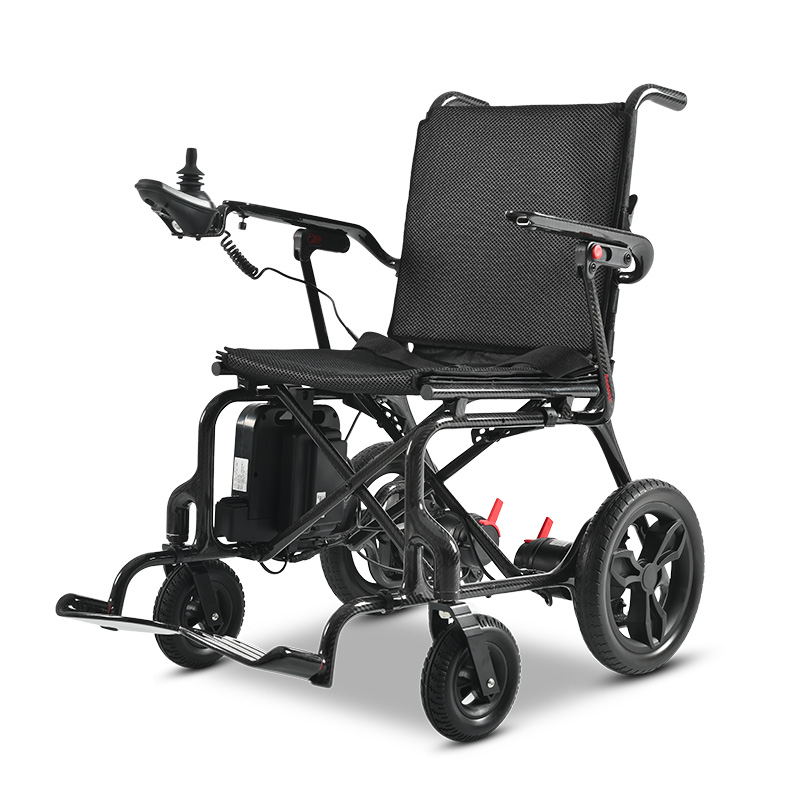
The iFold Light is designed for users who need powered mobility but do not want the inconvenience of a bulky chair. Traditional electric wheelchairs often provide strong stability and power, but many are too heavy to place in a vehicle, too large for small homes, or too difficult to manage during travel. This lightweight folding model answers those concerns by focusing on compactness, fast folding, and transport convenience.
The chair folds in just a second, making it suitable for situations where quick handling matters. A caregiver or family member may need to fold the wheelchair before placing it into a car trunk, storing it in a hallway, or preparing it for transport. A simple folding action reduces frustration and makes the chair more compatible with active daily routines. For many users, the difference between a wheelchair that can be folded quickly and one that requires complicated disassembly is the difference between spontaneous travel and staying at home.
The product’s dimensions are 970 mm in length, 560 mm in width, and 870 mm in height. This compact footprint helps it move through ordinary indoor and outdoor environments while remaining narrow enough for many daily spaces. The width is especially important because a travel wheelchair must be easy to maneuver around furniture, doors, elevators, corridors, and public facilities.
Its lightweight frame is another major advantage. At approximately 19 kg without the battery, the chair is easier to handle than many powered wheelchairs that can weigh far more. This lower weight supports easier loading, unloading, storage, and repositioning. For users who depend on family members, caregivers, or companions for transport assistance, reducing the lifting burden is highly valuable.
The chair uses lithium batteries with 24V/6AH and 24V/12AH options. Depending on battery configuration, the maximum driving range is listed as approximately 12±2 km or 20±4 km. This range supports daily outings such as visiting family, shopping, traveling through leisure areas, or moving between transport points. Charging time is approximately 3 to 6 hours with a 24V/2A charger, making it practical for overnight charging or daytime preparation before an outing.
Two 24V/250W motors provide powered movement, while the electromagnetic brake system helps deliver safe stopping performance. Solid tires reduce the risk of punctures and minimize maintenance concerns. The front tires are 7 inches and the rear tires are 8 inches, providing a compact but practical tire arrangement for common travel environments. With a maximum driving gradient of 6 degrees and a weight capacity of 120 kg, or 265 lbs, the chair is designed for typical everyday travel conditions.
Key Specifications
The following table summarizes the main product specifications and shows how the chair combines portability with functional powered mobility.
Specification |
Details |
Product Type |
Lightweight portable folding electric wheelchair |
Dimensions |
970 mm L × 560 mm W × 870 mm H |
Maximum Forward Speed |
6 km/h according to listed specification |
Maximum Driving Gradient |
6 degrees |
Maximum Driving Range |
12±2 km with one battery option; 20±4 km with extended option |
Weight Capacity |
120 kg / 265 lbs |
Tire Sizes |
7 inch front tires; 8 inch rear tires |
Brake System |
Electromagnetic brake |
Battery |
Lithium 24V/6AH or 24V/12AH |
Charger |
24V/2A |
Charging Time |
3 to 6 hours |
Motor |
24V/250W × 2 pcs |
Motor Controller |
24V/45A |
Weight Without Battery |
19 kg |
Storage Feature |
Under-seat storage |
Designed for Quick Folding and Practical Transport
One of the most important features of this wheelchair is its ability to fold quickly. A chair that folds in just a second gives users and companions a meaningful advantage over traditional mobility equipment. In real life, travel is often interrupted by small transitions: getting into a car, entering a restaurant, moving through a hotel, storing the chair at home, or placing it out of the way in a public area. The faster and simpler these transitions are, the more natural the user’s mobility experience becomes.
Many competing electric wheelchairs advertise portability, but some require users to remove multiple components, lift heavy sections, or perform several mechanical steps before the chair becomes compact enough to transport. A fast-folding structure helps avoid these problems. It allows the chair to remain a single integrated mobility solution rather than a device that must be repeatedly disassembled and reassembled.
The compact folded form is also important for storage. People living in apartments, smaller homes, or shared living environments often have limited storage space. A folding electric wheelchair that can be placed in a corner, stored in a vehicle trunk, or positioned in a closet-like space has a practical advantage over rigid-frame models. This makes the product suitable not only for occasional travel but also for everyday household convenience.
For families, portability can create more opportunities for shared activities. A lightweight folding wheelchair can make weekend trips, social visits, shopping, and outdoor leisure more accessible. Instead of planning every outing around the limitations of large equipment, users can participate more naturally in family life. This emotional and social value is one of the strongest benefits of a travel smart electric wheelchair.
Lightweight Construction Without Sacrificing Everyday Utility
The product’s approximately 19 kg weight without the battery is a central advantage. Lightweight construction matters because powered wheelchairs are often moved by more than one person in different ways. A user may drive the chair independently, while a family member may lift, fold, store, or reposition it. Lower weight reduces the effort required during these tasks and can make the chair more suitable for travel.
Compared with many standard power wheelchairs, which may be heavier and less compact, this lightweight model is easier to manage when loading into vehicles or moving through tight spaces. It is not intended to replace every heavy-duty wheelchair used for specialized needs, but it offers a strong solution for people who prioritize portability, travel, and moderate everyday use.
The design also includes under-seat storage, which adds practical value. Users often need space for small personal items such as a wallet, phone, charger, light shopping items, or daily accessories. Built-in storage helps reduce dependence on external bags and keeps essential items close by. This type of detail shows that the product is designed not just as a machine, but as a companion for daily routines.
Solid tires further support low-maintenance use. Pneumatic tires may provide cushioning in some conditions, but they can puncture or require pressure maintenance. Solid tires are well suited for users who want reliability and less frequent maintenance. For travel-oriented products, this is particularly important because tire problems away from home can cause inconvenience and stress.

Performance for Daily Mobility
The listed maximum forward speed is 6 km/h, which is appropriate for controlled personal mobility in many daily environments. A travel power wheelchair should provide enough speed for practical movement without becoming difficult to control in crowded places. The 6 km/h speed level supports indoor and outdoor use while maintaining a balanced approach to safety and comfort.
The chair’s dual 24V/250W motors provide dependable powered operation for ordinary use. Dual-motor designs are valuable because each drive side can be controlled effectively, supporting maneuverability and responsive turning. In compact environments, maneuverability is often more important than raw speed. A wheelchair that can move smoothly through a hallway, turn in a small space, and maintain controlled operation can be more useful than a larger chair with excessive power but limited convenience.
The maximum driving gradient of 6 degrees supports moderate slopes commonly encountered in ramps and gently inclined surfaces. Users should always follow safe operation guidance and avoid unsafe terrain, but this gradient capability gives practical flexibility for everyday travel. Public spaces, shopping areas, and residential neighborhoods often include mild inclines, and the chair is designed to manage such ordinary conditions.
The electromagnetic brake system is another key performance feature. Braking is central to user confidence. Electromagnetic brakes are commonly valued in power mobility devices because they can provide controlled stopping and secure holding when the chair is not moving. This contributes to safer operation, especially when stopping on slight inclines or navigating spaces where precise control is required.
The motor controller, rated at 24V/45A, supports the coordination between user input, motor response, and powered movement. In a well-designed electric wheelchair, the controller helps translate joystick commands into smooth motion. This is important because abrupt or unpredictable movement can reduce confidence, especially for elderly users or people who are new to powered mobility.
Battery Options and Range Flexibility
Battery performance is a major factor in the usability of any electric wheelchair. The iFold Light uses lithium battery technology, which offers several advantages over older battery types. Lithium batteries are generally lighter and more energy-dense than traditional lead-acid batteries, making them a good match for lightweight travel products.
The product offers 24V/6AH and 24V/12AH battery options. The listed maximum driving range is approximately 12±2 km or 20±4 km, depending on the battery configuration and operating conditions. This gives users flexibility. Some may prefer the lighter battery option for shorter trips, while others may choose the extended range option for longer outings or more demanding daily schedules.
Range can vary based on user weight, terrain, temperature, driving style, battery condition, and surface type. A smooth indoor surface will usually consume less energy than rough outdoor pavement or repeated slopes. Even so, the availability of two range levels allows the product to support different mobility needs.
Charging time of 3 to 6 hours is practical for daily use. Users can charge the wheelchair after returning home, overnight, or during planned downtime. The 24V/2A charger provides a straightforward charging solution. For travel, users should always confirm battery transportation rules with airlines, transport providers, or local regulations, especially when carrying lithium batteries.
Compared with competitors that rely on heavier batteries or offer limited range in lightweight models, this chair achieves a useful balance. It provides enough range for many everyday outings while maintaining the portability expected from a travel smart wheelchair. This balance is one of the strongest competitive advantages of the product.
Comfort, Convenience, and User Independence
Personal mobility products should be evaluated not only by technical specifications but also by how they affect the user’s daily life. A wheelchair that is difficult to fold, heavy to move, or inconvenient to store may limit independence even if it performs well while driving. The iFold Light is designed to reduce these obstacles.
The compact size supports easy storage and movement through ordinary spaces. The folding design supports transport in family vehicles and simplifies travel planning. The under-seat storage provides a useful place for personal items. Solid tires reduce the worry of flat tires. The electromagnetic brake adds confidence during stopping. Together, these features create a product that supports independence in a practical way.
For elderly users, ease of use is especially important. A complicated mobility device can create anxiety or dependence. A lighter, simpler, travel-friendly electric wheelchair helps users feel more comfortable participating in daily activities. It can also reduce the physical workload on caregivers, which improves the experience for families as a whole.
For disabled users who want greater independence, the product can support more active participation in community life. Going to a favorite location with family, shopping independently, visiting friends, or enjoying leisure time outdoors becomes easier when the mobility device can be transported and stored conveniently.
The product is also suitable for users who may not need a large power wheelchair at all times but want a portable powered solution for travel. Some people can walk short distances but require assistance during longer outings. A folding electric wheelchair can provide an ideal balance by offering support when needed without dominating the user’s lifestyle.
Advantages Over Common Competing Products
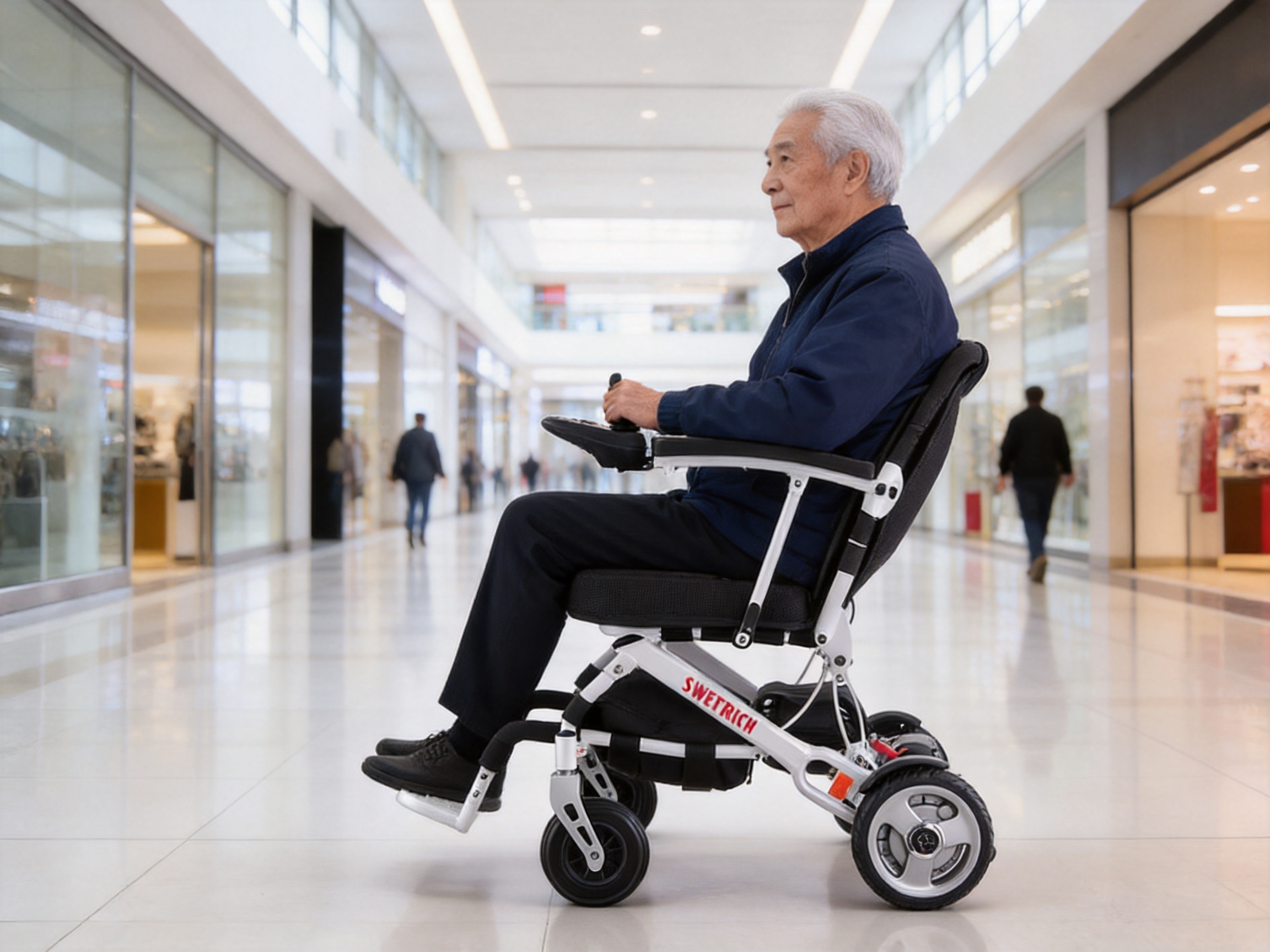
In the market for electric wheelchairs and mobility scooters, users can choose from many different designs. However, each design involves trade-offs. Heavy-duty power wheelchairs may provide high stability and large batteries, but they are often difficult to transport. Mobility scooters can be comfortable for certain users, but many are longer, less compact, and less suitable for indoor turning. Manual wheelchairs are lightweight, but they require physical effort or assistance from another person. The iFold Light occupies a practical middle ground.
Compared with rigid-frame electric wheelchairs, this model offers superior transport convenience. The ability to fold quickly helps users avoid the logistical burden of large equipment. This is especially helpful for families who travel by car or users who need to store the chair in limited space.
Compared with heavier folding power chairs, the 19 kg frame weight without battery is a notable advantage. Some folding electric wheelchairs are technically foldable but remain very heavy. A chair that folds but cannot be lifted easily may not solve the transport problem. By keeping the weight low, this product makes foldability more meaningful.
Compared with compact mobility scooters, the chair offers wheelchair-style seating and maneuverability. Scooters can be useful outdoors, but they often require more turning space and may be harder to use in tight indoor areas. A compact electric wheelchair can be more suitable for mixed indoor and outdoor use.
Compared with manual wheelchairs, the powered drive reduces physical effort. Users do not need to propel themselves by hand over long distances, and caregivers may not need to push the chair continuously. This can help preserve energy and reduce fatigue during outings.
Compared with products using pneumatic tires, the solid tire design reduces maintenance concerns. Users who value reliability may prefer solid tires because they eliminate puncture-related interruptions. This is especially useful for travel, where repair options may not be immediately available.
Compared with lower-quality travel chairs, the combination of dual motors, electromagnetic braking, lithium battery options, and established manufacturing support gives the product a stronger overall value. The advantage is not based on a single feature, but on the integration of several practical features into one compact device.
Manufacturing Strength Behind the Product
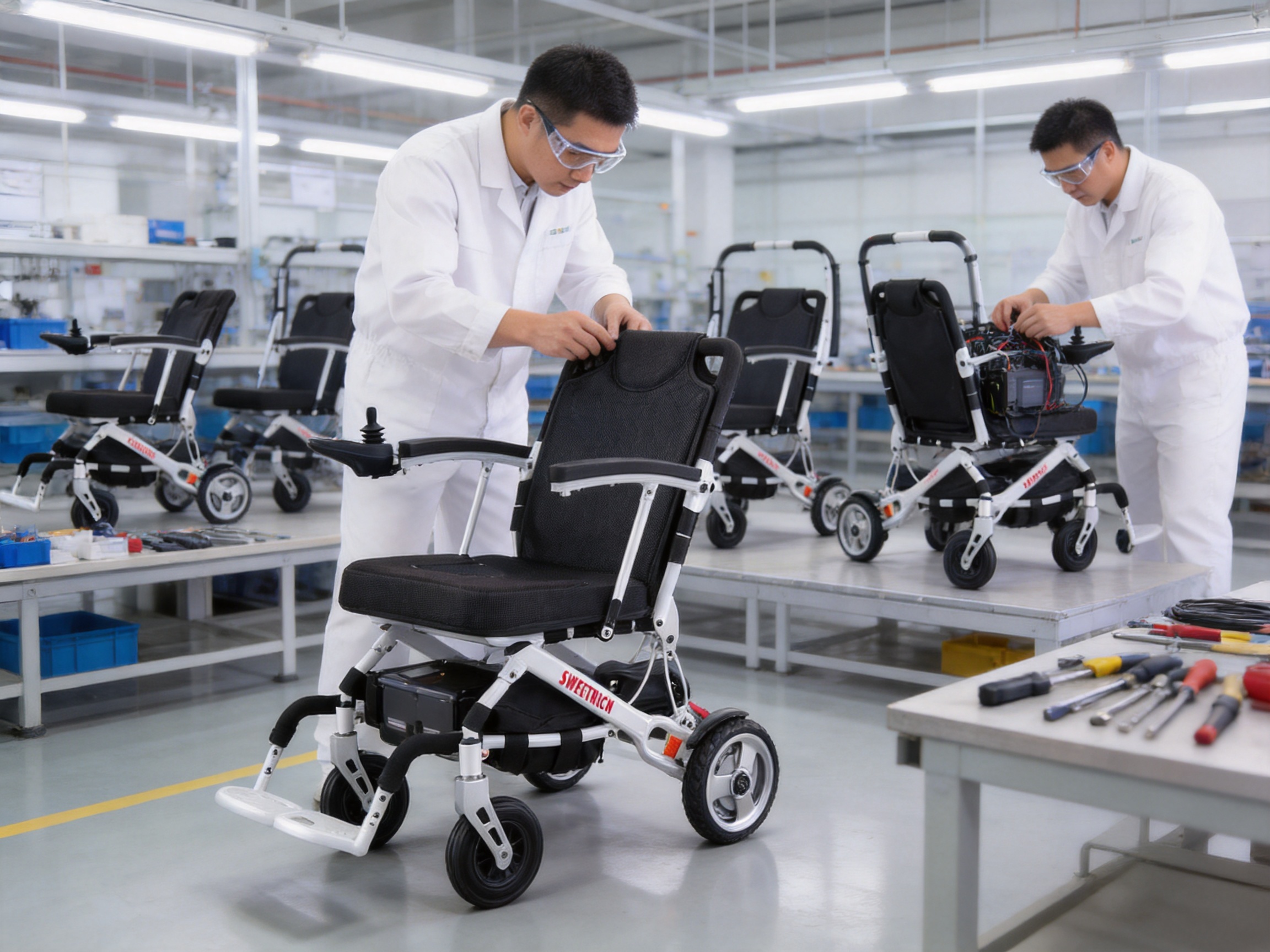
The quality of an electric wheelchair depends heavily on the company and production system behind it. A mobility product must be designed with care, manufactured consistently, and tested for reliability. The manufacturer behind this product is located in Suzhou Industrial Park in China and has accumulated more than ten years of experience in the research, development, and production of mobility scooters and power wheelchairs.
The company operates from a large manufacturing base covering approximately 60 acres, with a factory area of about 30,000 square meters. This scale supports organized production, component management, assembly efficiency, and quality control. In mobility manufacturing, facility scale is important because consistent production requires dedicated space for frame processing, assembly, inspection, packaging, and logistics.
The company focuses on improving the well-being and convenience of elderly and disabled people. This product philosophy is reflected in the iFold Light’s emphasis on foldability, portability, and user independence. Rather than designing only for technical appearance, the manufacturer develops products around real daily mobility challenges.
Advanced control technology and driving systems are also part of the company’s product development direction. These technologies help ensure smoother operation and safer driving characteristics. In an electric wheelchair, the integration of motor, controller, battery, braking, and frame design must be carefully managed. A strong manufacturer understands that the user experiences the product as a whole, not as separate components.
The company owns intellectual property rights for its electric scooters and power wheelchairs, which indicates a commitment to independent development and product innovation. This is important in a competitive market where some products may be simple copies with limited engineering depth. A manufacturer with its own design capability can improve products, respond to market needs, and maintain better control over quality.
Strict production management and scientific product design are core strengths. For electric wheelchairs, production management includes material selection, frame alignment, electrical installation, battery system integration, braking verification, and final inspection. Scientific design means considering ergonomics, stability, folding mechanics, electrical performance, durability, and user safety together.
The company’s products are exported to markets including America, Europe, Japan, Australia, the Middle East, Russia, and other regions. International market experience is valuable because different markets have different expectations for product reliability, documentation, packaging, usability, and after-sales support. A manufacturer serving global customers must maintain consistent standards and adapt products to diverse user needs.
Advanced Production Considerations for Folding Electric Wheelchairs
A lightweight folding electric wheelchair requires careful manufacturing because portability must not compromise structural reliability. The frame must be strong enough to support the rated user weight while remaining light enough for transport. Folding joints must be precise, durable, and easy to operate. The electric system must be protected and organized so that repeated folding does not damage wires or components.
Frame production is a critical step. The material must be processed accurately to maintain alignment. If the frame is not aligned correctly, the chair may not fold smoothly, may not drive straight, or may experience uneven stress. Precision manufacturing helps ensure that each unit performs consistently.
Surface treatment is also important. The product title references electroplating, which suggests attention to finish and corrosion resistance. A well-finished frame can improve appearance and durability. For mobility products used in daily environments, resistance to wear, moisture, and handling marks contributes to long-term satisfaction.
Electrical assembly requires disciplined workmanship. Motors, controller, battery connections, joystick interface, charger port, and brake wiring must be properly installed. Poor wiring can lead to unreliable operation, service issues, or safety concerns. An experienced manufacturer uses controlled assembly processes to reduce these risks.
Battery integration is another area where quality matters. Lithium battery systems should be selected and installed with attention to stability, charging compatibility, and user convenience. The battery must support the product’s lightweight concept while delivering dependable range. Proper charger matching and charging guidance help users maintain battery health.
Final inspection should confirm folding function, driving response, braking operation, charger compatibility, tire installation, frame condition, and overall fit and finish. For a travel wheelchair, folding inspection is especially important because the folding mechanism is used frequently. A product that folds smoothly at the factory is more likely to satisfy users in everyday life.
Safety-Oriented Design Features
Safety in a travel electric wheelchair comes from a combination of design choices. The iFold Light includes several features that support safer daily use. The electromagnetic brake system helps the chair stop and hold position. The maximum speed specification supports controlled mobility rather than excessive speed. The dual-motor configuration helps maneuverability. Solid tires reduce tire failure risk. The compact size improves control in confined spaces.
The 120 kg weight capacity provides a clear operating limit. Users should always respect the stated capacity because exceeding it can affect performance, braking, range, and frame durability. The maximum driving gradient of 6 degrees should also be observed. Mobility devices are safest when used within their designed operating conditions.
Users should be trained or familiarized with the joystick or control interface before using the chair in busy environments. New users should practice starting, stopping, turning, reversing, and folding in a safe open area. Caregivers should also understand how to fold, lift, charge, and store the chair properly.
Battery safety is another important consideration. Users should charge the battery with the supplied or recommended charger, avoid exposing the battery to extreme conditions, and follow transportation rules when traveling. Lithium batteries are widely used in modern mobility devices, but they should always be handled according to manufacturer guidance.
Because the product is identified as a non-medical device for the U.S. market, users should understand its intended role. It is designed as a personal mobility aid and convenience product, not as a substitute for professional medical evaluation or customized clinical wheelchair prescription. Users with specific medical, postural, or rehabilitation requirements should consult qualified professionals before selecting a mobility device.
Travel Smart Benefits for Families and Caregivers
A mobility product affects more than the user. Families and caregivers often participate in transport, charging, storage, and outing preparation. The iFold Light is designed to reduce the burden on these supporting people. Its quick folding design saves time. Its lighter frame reduces lifting effort. Its compact size makes it easier to place in a vehicle or store at home.
For caregivers, a heavy or complicated wheelchair can become a source of fatigue. Repeated lifting, disassembly, and reassembly may discourage outings. A lightweight folding product helps make travel more realistic. This can improve quality of life for the user and reduce stress for the caregiver.
For families, the product can support spontaneous plans. A trip to a park, shopping center, restaurant, or relative’s home becomes easier when the wheelchair can be folded and transported without extensive preparation. The chair helps remove practical barriers that often limit participation.
Under-seat storage also benefits caregivers and users by keeping small items organized. During travel, simple storage can prevent lost accessories and reduce the need to carry extra bags. Although it may seem like a small feature, it contributes to smoother daily use.
Solid tires are another family-friendly feature. A puncture during an outing can be difficult for caregivers to manage. Solid tires reduce that risk and help keep the focus on the activity rather than equipment maintenance.
Ideal Use Scenarios
The product is suitable for a wide range of daily mobility scenarios. It can be used for family outings, shopping trips, visits to community centers, movement through residential spaces, travel through airports or stations where permitted, leisure activities, and short to moderate daily journeys.
In home environments, the compact width and folding design are helpful. Users who live in apartments or smaller houses may appreciate a chair that does not occupy excessive space. The chair can be folded when not in use, making the living area more organized.
In vehicles, the lightweight folding structure is particularly valuable. A bulky wheelchair may require a lift or special vehicle arrangement. A lighter folding wheelchair can be more compatible with ordinary family transportation, depending on vehicle size and the ability of the assisting person.
In shopping and public spaces, controlled speed and compact maneuverability are important. The chair’s 6 km/h maximum speed is suitable for moving with pedestrians while maintaining a manageable pace. Its electric drive reduces fatigue during longer visits.
During travel, the product’s portability becomes central. Users should always check transport rules, especially for lithium batteries, but the folding design can make travel planning easier. A travel smart wheelchair is valuable because it supports transitions between different environments.
Why the Product Represents Strong Value
The value of this folding electric wheelchair comes from its balanced design. It does not rely on one impressive number while ignoring real-life usability. Instead, it combines light weight, fast folding, compact dimensions, lithium battery options, dual motors, electromagnetic braking, solid tires, and under-seat storage. Each feature supports the same goal: easier independent mobility.
Many users do not need the largest possible wheelchair. They need a chair that works smoothly with daily life. They need something that can be stored easily, transported without excessive effort, and driven with confidence. This product is built for that need.
Its manufacturing background adds further value. A company with more than a decade of experience, a large production facility, intellectual property rights, international market presence, and a focus on elderly and disabled users provides a stronger foundation than unknown or short-term suppliers. In mobility products, supplier reliability matters because users depend on the equipment for daily freedom.
The product’s design also reflects a modern understanding of mobility. Independence is not only about moving forward. It is about entering a car, visiting family, storing the chair at home, charging conveniently, avoiding maintenance issues, and feeling confident in ordinary environments. A product that addresses these details can improve daily life more effectively than a product designed only for showroom specifications.
Maintenance and Use Recommendations
To keep the wheelchair performing well, users should follow basic maintenance practices. The chair should be stored in a dry environment when not in use. The battery should be charged according to guidance and should not be left in a deeply discharged state for long periods. The charger should be kept clean and used in a safe indoor charging location.
Users should inspect the tires regularly for wear or embedded debris. Although solid tires do not puncture like pneumatic tires, they still experience wear over time. The folding mechanism should be kept clean and free of obstructions. If folding becomes difficult, users should not force the mechanism but should inspect for visible blockage or contact service support.
The frame should be checked periodically for loose fasteners or unusual movement. Electric connections should not be exposed to water or improper handling. Users should avoid driving through deep water, heavy rain, mud, sand, or unsafe terrain. The chair is intended for practical daily mobility, not off-road use.
Before each outing, users should confirm that the battery has enough charge, the brakes respond properly, the joystick or control interface works normally, and the chair unfolds securely. These simple checks can prevent inconvenience and improve safety.
When transporting the chair, users should fold it according to the recommended procedure and secure it appropriately in the vehicle. The chair should not be allowed to shift freely during vehicle movement. If the battery is removable, it should be handled according to instructions and protected from impact.
Frequently Asked Questions
What type of user is this folding electric wheelchair designed for?
It is designed for users who need powered mobility in a lightweight, compact, and travel-friendly form. It is suitable for elderly users, disabled users, and people who want greater independence during family outings, shopping, travel, and daily movement.
How heavy is the wheelchair?
The listed weight without the battery is approximately 19 kg. This makes it easier to handle than many standard electric wheelchairs, especially when folding, storing, or placing it into a vehicle.
How quickly can it fold?
The product is designed to fold in just a second, making it convenient for transport and storage. This is one of its strongest advantages for travel and family use.
What is the maximum driving range?
The listed maximum driving range is approximately 12±2 km or 20±4 km, depending on the battery option and actual operating conditions. Terrain, user weight, temperature, and driving style can all affect range.
What battery does it use?
It uses lithium battery options rated at 24V/6AH and 24V/12AH. Lithium batteries support the lightweight design and are well suited for portable mobility products.
How long does charging take?
Charging time is approximately 3 to 6 hours using a 24V/2A charger. Users should follow the charging instructions and use the recommended charger.
What is the maximum speed?
The listed specification states a maximum forward speed of 6 km/h. This speed is suitable for controlled personal mobility in many indoor and outdoor daily environments.
What is the weight capacity?
The wheelchair has a listed weight capacity of 120 kg, or 265 lbs. Users should remain within this limit to support safe and reliable operation.
Does it have a braking system?
Yes. It uses an electromagnetic brake system, which supports controlled stopping and secure holding when the chair is not moving.
Are the tires pneumatic or solid?
The product uses solid tires. The front tires are 7 inches and the rear tires are 8 inches. Solid tires reduce puncture risk and lower maintenance concerns.
Is it suitable for slopes?
The listed maximum driving gradient is 6 degrees. Users should avoid steep, uneven, slippery, or unsafe slopes and should always operate within the stated limits.
Can it be used for air travel?
The folding design is travel-friendly, but users must confirm lithium battery and wheelchair transport rules with airlines or transport providers before travel. Regulations may vary by carrier and destination.
Is it a medical device?
The product is described as a non-medical device for the U.S. market. Users with clinical seating, rehabilitation, or medical positioning needs should consult qualified professionals before choosing a mobility product.
What makes it different from many competing electric wheelchairs?
Its key advantages include fast folding, low frame weight, compact dimensions, lithium battery options, dual motors, electromagnetic braking, solid tires, under-seat storage, and support from an experienced manufacturer with international market experience.
Conclusion
The iFold Light folding electric wheelchair offers a practical answer to one of the most common mobility challenges: how to combine powered independence with easy transport. Its lightweight 19 kg frame without battery, quick folding design, compact size, lithium battery options, dual 250W motors, electromagnetic brake system, solid tires, and under-seat storage make it a strong choice for travel smart mobility.
Its advantages are especially clear when compared with heavier rigid-frame electric wheelchairs, complicated folding models, manual wheelchairs that require physical effort, and larger scooters that may be less convenient indoors. This product is designed for real life, where users need to move through homes, vehicles, shops, public spaces, and family activities with less stress.
The manufacturing foundation behind the product further strengthens its value. With more than ten years of industry experience, a large production facility, intellectual property development, advanced control technology, strict production management, and global export experience, the company behind the wheelchair demonstrates the capability needed to produce reliable mobility solutions.
For users and families seeking a portable electric wheelchair that supports independence, comfort, and everyday convenience, this lightweight folding model represents a thoughtful and competitive solution. It is not merely a compact powered chair; it is a travel-oriented mobility companion designed to help users enjoy favorite places, participate in family life, and move with greater confidence.
References
1. Product specification sheet for iFold Light portable folding electric wheelchair, manufacturer technical data.
2. General principles of powered wheelchair selection and user mobility needs, rehabilitation engineering literature.
3. Lithium battery application in lightweight personal mobility devices, electric mobility technology references.
4. Electromagnetic braking systems in power mobility equipment, mobility device engineering references.
5. International market practices for mobility scooters and folding electric wheelchairs, industry product development reports.